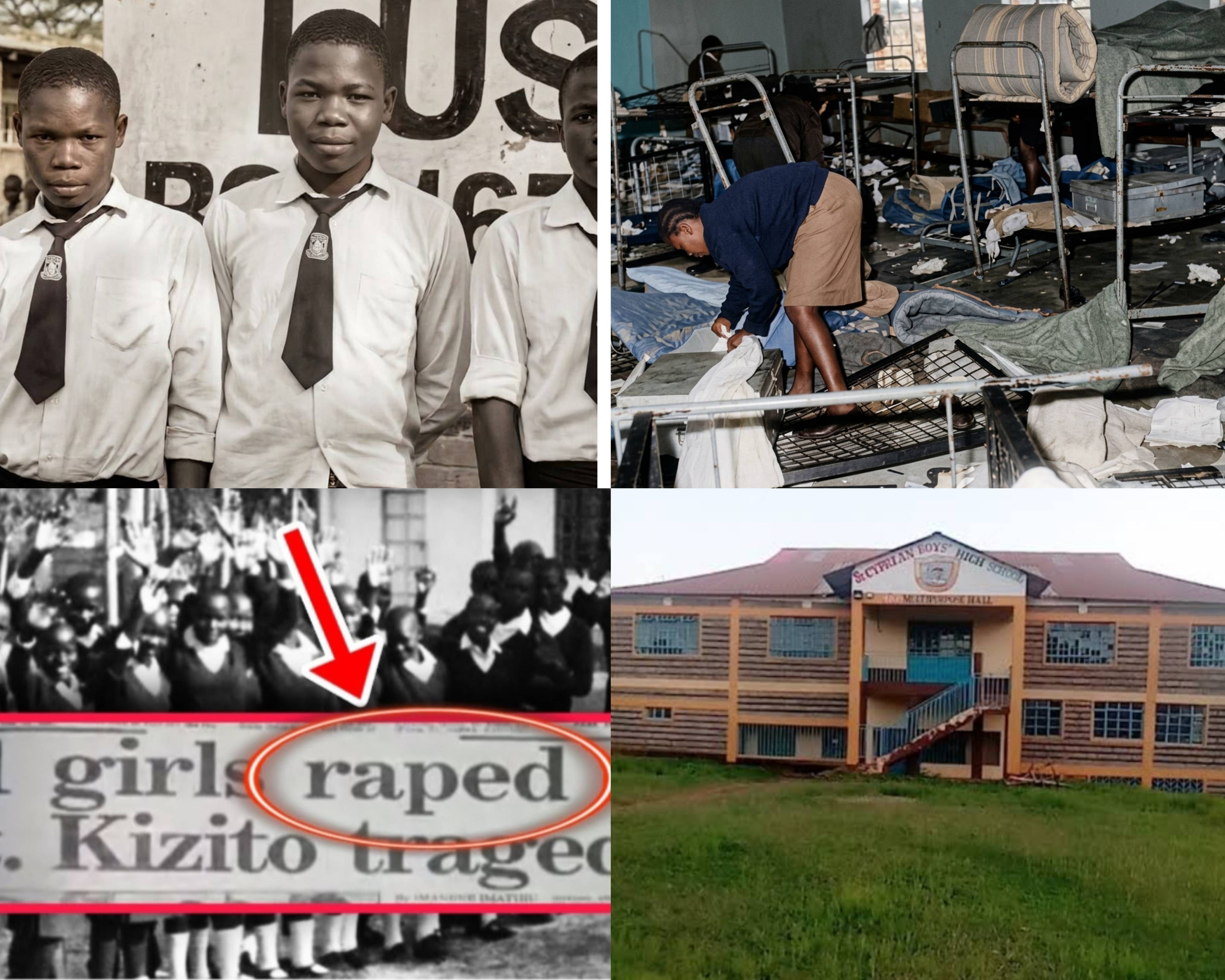
It's on Saturday, July 13, 1991, in the morning.
The sun is rising in Meru, its light filtering through the peaks of Mt. Kenya. Everyone is awake and getting ready for the day.
The students are also up and heading to class for remedial lessons. Saturday is one of the best days for them because mostly they stay outside to play.
The school has a total of 577 students, 306 boys and 271 girls.
But there is a problem.
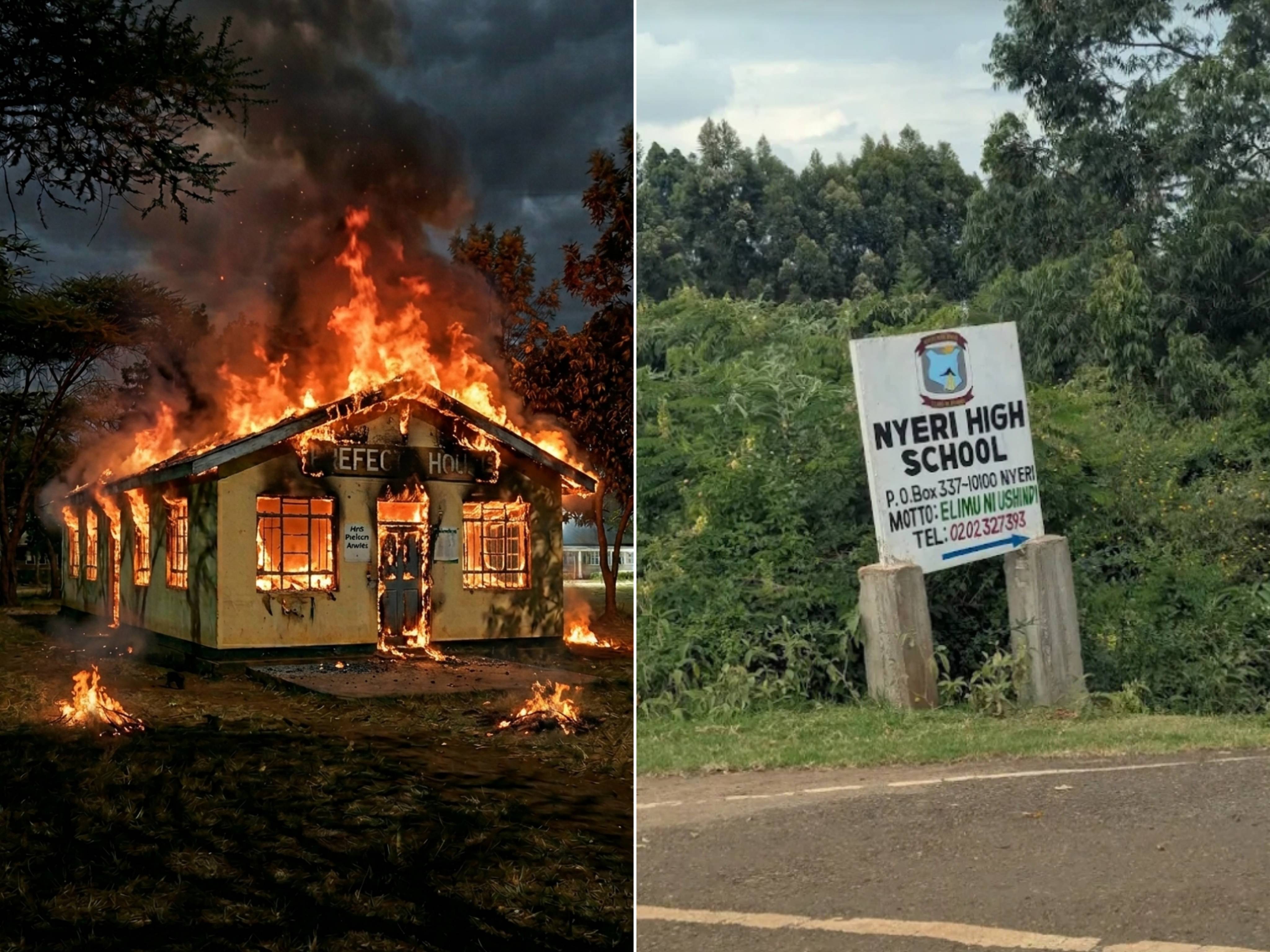
For weeks now, the boys have been planning a strike because the food is bad, teachers are too strict, the headmaster is tough, and the school has refused to let them attend the term's sporting activities. And this time, they want to do one hell of a strike...one for the history books.
The only remaining thing is for the girls to also agree to join the strike.
It's evening now, and the boys have been told the girls have refused the strike. So, the boys are extremely furious. They feel betrayed and are now threatening the girls, telling them they will face consequences.
Night sets in and the tension is at fever pitch. The wind is blowing slowly and silently, whispering sadness across Meru County. The stars and the moon are hidden behind clouds, not wanting to witness what is about to happen. A heavy blanket of darkness covers the school, with only a bulb flickering here and there.
It's now 9 PM. The girls have locked themselves inside one dormitory, the older ones comforting the younger ones, friends holding hands and trying to reassure each other. For the first time in their lives, they know what real fear means.
And then suddenly, the lights go off.
The boys have just cut the power line.
Some girls rush to hide under the beds, others freeze in panic...and minutes later, the boys start calling them, demanding that they open the door, or else... The boys then start raining stones on the dormitory. The noise is terrifying and so many girls are now crying, screaming, and calling for their mothers.
It's now midnight and two teachers stumble into Tigania Police Station, which is only fifteen minutes from the school. They plead with the officers to rush to St. Kizito and intervene before things get worse.
The cops say they have no petrol for their Land Rover.
They can't come.
Then at around 2 AM, the boys break into the dorm and start sexually assaulting the girls indiscriminately, and 71 of them experience this act.
So many others suffocate while hiding in a corner. The ones under the beds are not any luckier. The metallic beds collapse in the chaos and some girls suffer major injuries.
The police finally arrive at 3:30 AM and find 19 girls already rested, their bodies piled on top of each other.
Later, the deputy principal, Joyce Kithira, tells the media that the boys didn't want to harm the girls.
"They just wanted to rape them."
The school principal also adds that rape is a common thing in the institution.
In the weeks and months that follow, the country is shaken by the scale of the tragedy. Thirty-nine boys are arrested, and around 29 are formally charged, mostly with manslaughter rather than rape. In the end, only a small number of around 10 people are convicted and serve prison time, with sentences often around four years.
No one is ever convicted of rape.
The headmaster and deputy principal, including Joyce Kithira, are suspended pending investigations. Some teachers face transfers or dismissal, others are later reinstated. Three watchmen are charged for failing to protect the students.
After the incident, the school is immediately closed by the government in the wake of international condemnation. When it opens again, it is under a different name, and not as a mixed institution.
The original site is split into two separate single-sex schools: the boys' section becomes St. Cyprian Boys Secondary School, while the girls' section becomes St. Angela's Girls Secondary School.
The events of that night still linger in Meru.
The girls who survived the ordeal are now older women who admit they have never fully healed from the trauma, and that it affects their marriages and lives. The scars from that night continue to affect their education, relationships, and mental health for decades.
Some of the boys who did this later took their own lives, others lost their minds and can be seen picking trash on the streets, while some are outcasts in their own communities.
Comments (1)
Leave a Comment