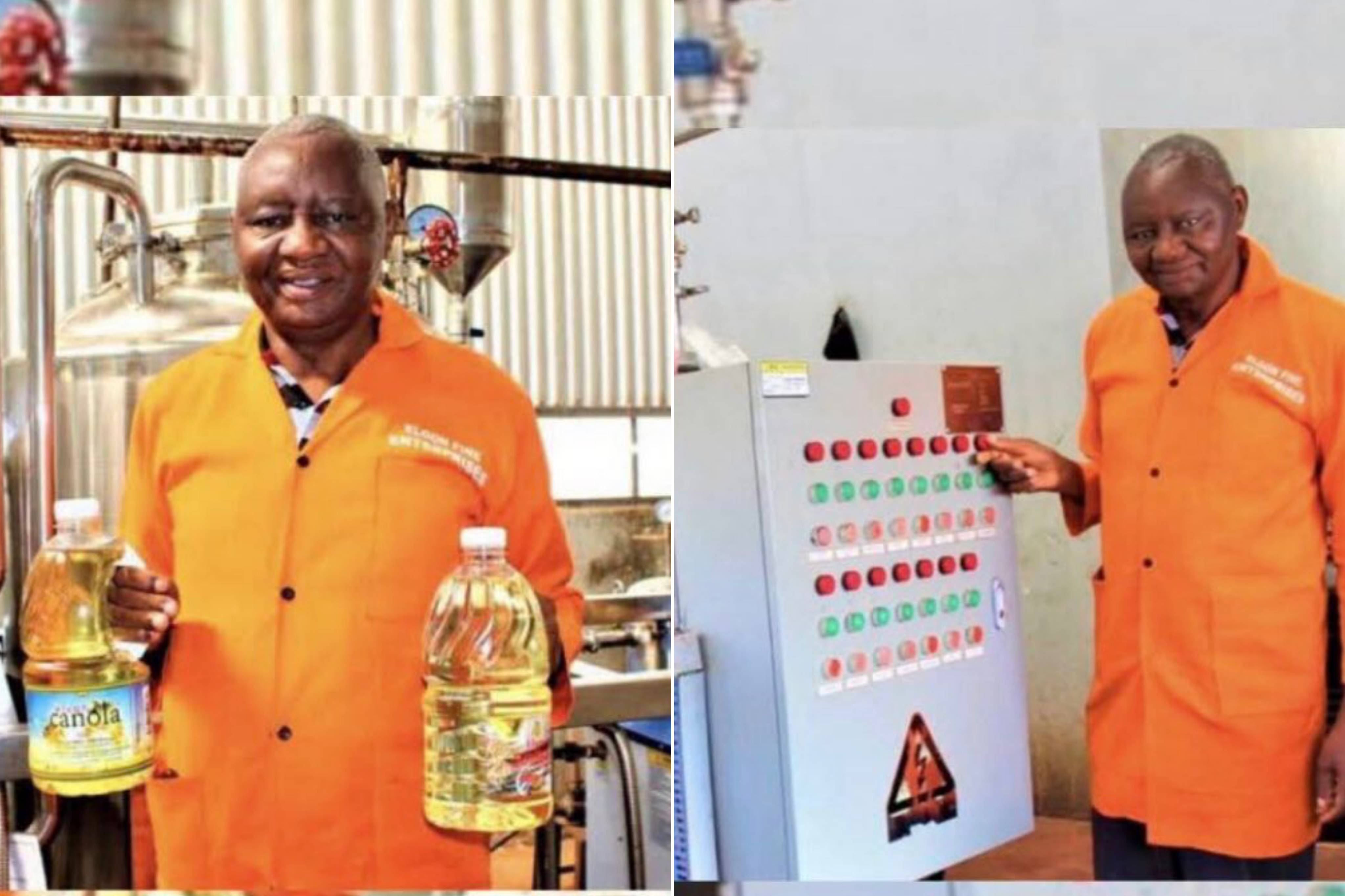
In 2019, Paul Njuguna, a retired technical manager from the Agricultural Development Corporation, poured his life savings of Ksh 16 million into building Elgon Pine, a refined oil and animal feed processing plant in Eldoret.
At its peak, the factory was crushing 90 tonnes of canola, sunflower, and soya beans per year, with installed capacity to handle 300 tonnes. Njuguna had contracted nearly 100 smallholder farmers to supply raw materials and was farming 10 acres himself. The plant produced cooking oil, animal feed, poultry feed, and soap, creating a full circular value chain that was the kind of local manufacturing story Kenya desperately needs more of.
Then in August 2021, Kenya Power handed him a bill of Ksh 400,000, more than 13 times his usual monthly average of around Ksh 30,000. Njuguna raised a formal complaint, convinced it was a billing error. Instead of investigating, Kenya Power accused him of underbilling and refused to revise the figure. When he could not pay the disputed amount, the utility disconnected power to both his factory and his home.
The Energy and Petroleum Regulatory Authority ruled in his favour and ordered immediate reconnection. Kenya Power ignored it and never restored the power.
The plant went silent. Contracted farmers lost their market. Suppliers and employees lost their jobs. A Ksh 16 million investment was reduced to an idle facility gathering dust.
Njuguna still wants answers. "Why would they disconnect both my factory and my home even after EPRA ordered them to reconnect?" he asks. "Was this a deliberate attempt to kill the business?"
His story has since sparked wider concern about the vulnerability of small manufacturers in Kenya and how a simple billing dispute, left unresolved, can quietly destroy an entire value chain and the livelihoods of hundreds of people depending on it.



Comments (0)
Leave a Comment
💬
No comments yet. Be the first to share your thoughts!